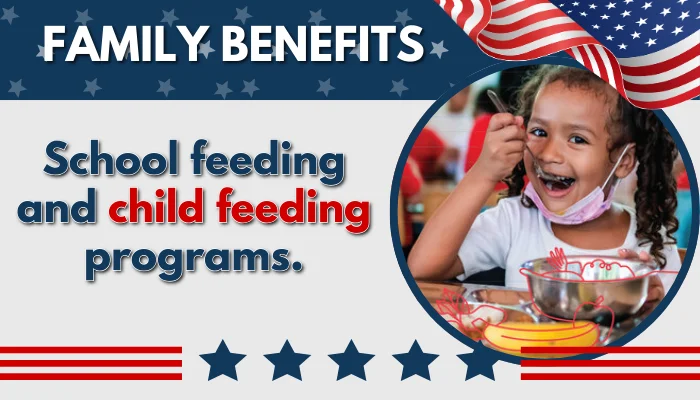
Proper nutrition is essential for children’s growth and development, and in the United States, school meal programs and child nutrition initiatives play a crucial role in ensuring that students have access to healthy, balanced meals.
These programs are designed to combat food insecurity and foster an effective learning environment. Below is a detailed analysis of these programs, including eligibility, requirements, benefits, and how parents can enroll their children.
What Are School Meal Programs?
School meal programs in the United States include the National School Lunch Program (NSLP), the School Breakfast Program (SBP), and the Child and Adult Care Food Program (CACFP), among others. These programs are administered by the United States Department of Agriculture (USDA) and aim to provide healthy meals to students at no cost or reduced prices.
Who Is Eligible for the Program?
Eligibility for school meal programs is primarily based on family income. Students from low-income families, those participating in other assistance programs, or those belonging to certain demographic groups are entitled to receive free or reduced-price meals. Here are the eligibility criteria:
- Low-Income Families: Students from families that meet the USDA income criteria are eligible for free or reduced-price meals. This includes families whose income does not exceed 130% of the federal poverty level for free meals and up to 185% for reduced-price meals.
- Participation in Other Programs: Children participating in programs such as SNAP (Supplemental Nutrition Assistance Program) or TANF (Temporary Assistance for Needy Families) are typically automatically eligible.
- Special Situations: Certain specific groups, such as children in foster care, are also eligible regardless of income.
Amount Granted to Beneficiaries
The amount of assistance varies depending on the program and the family’s income level. For the NSLP, for example, meals are provided as follows:
- Free Meals: Eligible students can receive full lunches and breakfasts at no cost.
- Reduced-Price Meals: Eligible students will pay a nominal fee, typically between $0.30 and $0.40 per meal.
The cost and type of meals can vary by state and school district, but all programs are required to meet the nutritional guidelines established by the USDA.
Requirements and Registration Process for the Program
To enroll a child in the school meal program, parents or guardians must follow these steps:
- Complete the Application: Parents must complete an eligibility application that is usually distributed at the beginning of the school year. This application includes information about the family’s income and the number of household members.
- Provide Documentation: In some cases, additional documentation may be required to verify income and family situation.
- Submit the Application: Applications must be submitted to the child’s school or the local school district for review.
- Wait for Confirmation: After submitting the application, parents will receive a notification regarding their child’s eligibility, usually within 10 days.
It’s important to remember that applications must be renewed each year, and parents should be attentive to deadlines set by schools.
Benefits of the Program
School meal programs offer multiple benefits not only for students but also for communities. Some of the most notable benefits include:
- Healthy Nutrition: Programs ensure that students receive balanced and nutritious meals, which is vital for their growth and development.
- Improved Academic Performance: Studies have shown that students receiving school meals tend to perform better academically, leading to increased attendance and lower dropout rates.
- Reduction in Food Insecurity: By providing access to free or reduced-price meals, these programs help families alleviate the financial burden of food, which can be especially helpful during economic crises.
- Promotion of Healthy Eating Habits: By offering healthy options, school meal programs can influence children’s eating habits, helping them make healthier choices in the future.
Contact and Program Assistance
To learn more about school meal programs, parents can contact their child’s school or visit the United States Department of Agriculture website. Additionally, there are assistance hotlines where parents can ask questions and receive support during the enrollment process. Here are some useful resources:
- USDA Assistance Line: 1-866-348-6479
- National School Lunch Program Website: fns.usda.gov/ndslp
- School Breakfast Program Website: fns.usda.gov/sbp
School meal programs are a fundamental tool for ensuring that all children in the United States have access to adequate nutrition. By understanding eligibility, benefits, and how to enroll, parents can take advantage of these resources and help their children have a healthy and successful start in life.

If you want to see more information about immediate food aid, here we leave you the official site so you can see all the details