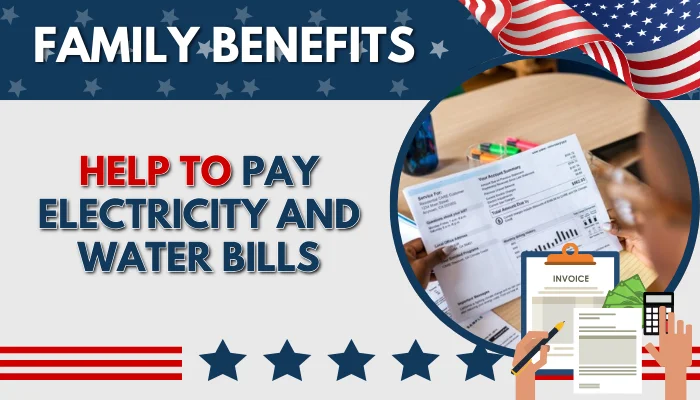
Utility bills, such as electricity and water, are essential expenses in everyday life. However, many families in the United States struggle to pay them, especially during times of economic crisis. Fortunately, there are assistance programs designed to help citizens cover these expenses.
In this article, we will explore the available assistance for paying utility bills in the United States, including who is eligible, the amounts granted, the requirements and registration process, as well as the benefits of these programs and how to contact them.
Who is Eligible for the Program?
Assistance programs for paying utility bills typically have specific eligibility criteria that may vary by state and program. However, some common criteria include:
- Residency: You must be a resident of the state in which you are applying for help. Each state has its own assistance programs.
- Income: Generally, applicants must meet certain income limits. These limits may vary but are often set based on the federal poverty level. For instance, many programs require household income to not exceed 150% or 200% of the poverty level.
- Emergency Situation: Some programs are specifically intended for individuals facing a crisis, such as job loss, illness, or any other situation that compromises their ability to pay.
- Home Responsibility: Many programs require applicants to be responsible for the utility bills of the home. This means they must be the account holder or have a formal agreement with the service provider.
Amount Granted to the Beneficiary
The amount of assistance granted varies by program and the financial situation of the household. For example:
- Low-Income Home Energy Assistance Program (LIHEAP): This federal program provides assistance for heating and cooling bills. The amount of aid can vary significantly, typically ranging from $200 to $1,000, depending on various factors such as household size, income level, and state.
- Water and Sanitation Assistance Program: Some states offer help to cover water bills. Similar to LIHEAP, the amount can vary, but in some cases, it can be several hundred dollars.
Requirements and Registration Process for the Program
Requirements
Requirements can vary by program and state but generally include:
- Proof of Income: Documentation showing the household income is required, such as pay stubs, tax returns, or Social Security benefits.
- Identification: You may need to present a valid ID, such as a driver’s license or state-issued identification.
- Proof of Residence: This may include a lease agreement, utility bill, or any document confirming your address.
Registration Process
The registration process for these programs typically involves the following steps:
- Research: Visit your state’s website or the Department of Health and Human Services (HHS) website to find information about the programs available in your area.
- Application: Complete an application online or in person, depending on the program. Some local organizations may also assist with this process.
- Documentation: Prepare and submit all required documentation along with your application.
- Interview: In some cases, you may need to attend an interview, either in person or by phone.
- Notification: After your application is reviewed, you will receive a notification regarding your eligibility and the amount of assistance you will be granted.
Benefits of the Program
Assistance programs for paying utility bills offer several benefits:
- Financial Relief: They help reduce the financial burden of utility bills, allowing families to allocate their funds to other essential needs, such as food and housing.
- Prevention of Disconnections: These programs can help prevent the disconnection of utility services, which is vital for the safety and well-being of households.
- Access to Additional Resources: Some programs provide additional resources, such as financial counseling and help finding employment, which can contribute to long-term stability.
- Promotion of Energy Efficiency: Some programs also provide resources to improve the energy efficiency of homes, which can help reduce bills in the long term.
Contact and Assistance for the Program
If you need more information or assistance regarding help for paying utility bills, you can contact the following resources:
- Utility Emergency Hotline: Each state has a helpline for utility services where you can obtain information about assistance programs. You can find the number for your state on your human services department’s website.
- LIHEAP Website: Visit the LIHEAP website to find information about the program and get in touch with your state contact. The website is liheapchac.org.
- Local Organizations: Many nonprofit and community organizations offer additional assistance and can help with the application process. Research local organizations that may provide support.
- Utility Providers: Some utility providers also have their own assistance programs. Contact your provider to find out what help options are available.
If you want to see more information about immediate food aid, here we leave you the official site so you can see all the details