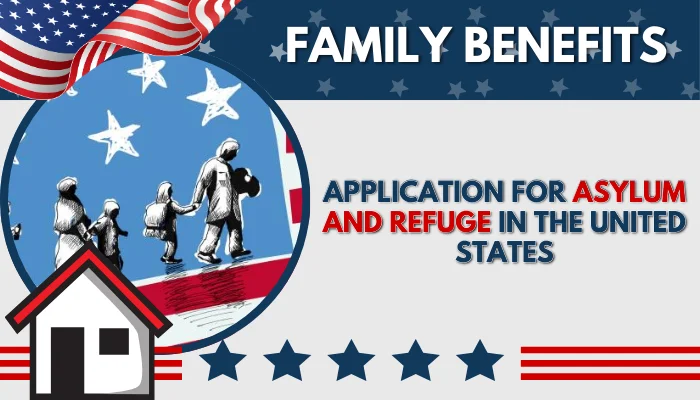
The application for asylum and refuge in the United States is a vital process for those facing persecution or fearing for their safety in their home countries.
This article provides a comprehensive guide on who can apply for asylum, the requirements and registration process, the associated benefits, and contact information for assistance.
Who Can Apply for Asylum and Refuge?
The Immigration and Nationality Act of the United States allows individuals who are in the country or who arrive at its borders to apply for asylum. There are two main categories of applicants:
- Asylum: Any person physically present in the U.S. can apply for asylum if they have a credible fear of persecution in their home country. This persecution can be based on race, religion, nationality, membership in a particular social group, or political opinions.
- Refuge: Unlike asylum, the refugee application is typically filed from outside the U.S. Individuals seeking refuge must demonstrate that they have a well-founded fear of persecution if they return to their home country. This is often requested by those in neighboring countries or in situations of forced displacement.
Requirements for Application
The requirements for applying for asylum and refuge in the United States vary slightly, but there are several common points:
For Asylum Application:
- Physical Presence in the U.S.: The applicant must be present in the country at the time of filing the application.
- Filing Deadline: Asylum must be requested within one year of arrival in the U.S., although exceptions exist if extraordinary circumstances can be demonstrated.
- Evidence of Persecution: The applicant must demonstrate a well-founded fear of persecution in their home country.
For Refuge Application:
- Outside the U.S.: Applicants must be outside the country and cannot enter the U.S. with a suitable visa.
- Selection Process: They must go through a refugee selection process administered by the State Department and U.S. Citizenship and Immigration Services (USCIS).
- Eligibility Requirements: Like asylum, they must demonstrate a well-founded fear of persecution.
Registration Process
Asylum Application
- Form I-589: Asylum seekers must complete Form I-589, Application for Asylum and for Withholding of Removal. This form can be submitted online or in paper form.
- Asylum Interview: After submitting the form, applicants will be called for an interview with an asylum officer. During this interview, they must provide details about their case and any evidence supporting their application.
- Decision: The asylum officer will make a decision and notify the applicant. If approved, the applicant can remain in the U.S. and eventually apply for permanent residency.
Refuge Application
- Form DS-260: Refuge applicants must complete Form DS-260, Immigrant Visa and Alien Registration Application, which is submitted through the U.S. Embassy or Consulate in the country where they are located.
- Consular Interview: After submitting the application, applicants will be called for an interview at the Embassy or Consulate. They must demonstrate their eligibility for refuge.
- Approval and Resettlement: If the application is approved, applicants will receive a refugee visa and will be resettled in the U.S.
Benefits of Asylum and Refuge
Once asylum or refuge is granted, beneficiaries have access to various benefits:
- Legal Stay: Asylees can remain in the U.S. and, after one year, can apply for permanent residency.
- Work Authorization: Asylum seekers can obtain a work permit while waiting for a decision on their application. Refugees automatically gain the right to work in the U.S. upon arrival.
- Economic Assistance: Refugees may receive economic assistance, access to healthcare services, education, and integration programs.
- Family Reunification: Both asylees and refugees can apply for their family members to join them in the U.S.
Contact for Assistance
If you or someone you know needs assistance with the asylum or refuge application, resources are available:
- U.S. Citizenship and Immigration Services (USCIS): You can visit their website for detailed information and necessary forms.
- Community Organizations: Many nonprofit organizations offer guidance and legal support for asylum seekers and refugees, such as the American Immigration Lawyers Association (AILA) or the National Council of La Raza.
- Immigration Attorneys: Consulting an attorney specializing in immigration can be crucial for receiving appropriate legal advice and guidance throughout the process.
Applying for asylum or refuge in the United States can be a complicated and emotionally taxing process, but it is an essential pathway for those seeking protection. Understanding the requirements and registration process is crucial to increasing the chances of success. If you need help, do not hesitate to seek resources and legal assistance to navigate this complex system. The safety and future of many individuals depend on these protection opportunities in the U.S.

If you want to see more information about immediate food aid, here we leave you the official site so you can see all the details