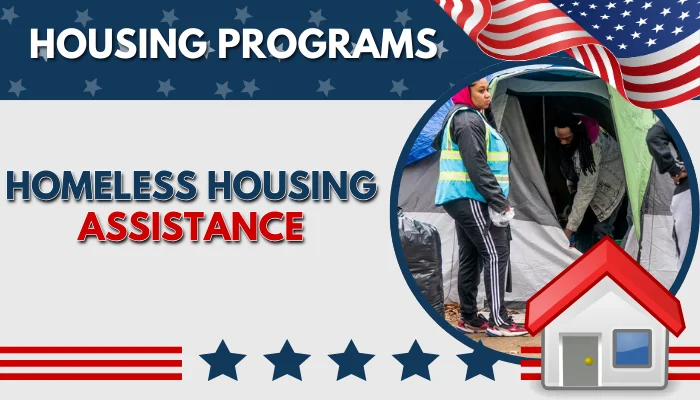
Housing assistance for homeless individuals is a critical issue in the United States, where millions face the lack of stable housing. This article explores the housing assistance system, the programs available, eligibility, benefits, and how to access them.
Who Is Eligible for the Program?
Eligibility for housing assistance programs varies by state and specific program but generally includes the following categories of individuals:
- Homeless Individuals: Those who lack a fixed, regular, and adequate nighttime residence.
- Low-Income Families: Families whose income falls below the poverty line or who cannot afford housing costs.
- Veterans: Many programs are specifically designed to support veterans facing homelessness.
- Individuals with Disabilities: Persons with physical or mental disabilities that hinder their ability to maintain a home.
- Families with Children: Families with children may receive priority in eligibility.
It’s essential to note that specific eligibility criteria may vary depending on the housing assistance program, as there are multiple initiatives at both the federal and state levels.
Amount Granted to the Beneficiary
The amounts of assistance can vary significantly depending on the program and the beneficiary’s situation. Some of the most common programs include:
- Rental Subsidy Programs: These programs may cover a portion of the monthly rent, generally ranging from 30% to 50% of the beneficiary’s income. For example, the Section 8 program provides housing vouchers that help families pay rent in the private market.
- Temporary Assistance: Some organizations offer temporary assistance to cover rent or utility costs in emergency situations. This assistance may be one-time or renewable depending on the need and available resources.
- Transitional Housing Programs: These programs provide temporary housing with support services, which may include financial assistance, counseling, and rehabilitation services. The amounts vary depending on location and available resources.
It is crucial for applicants to inquire about the programs available in their area, as the amount of assistance may depend on state or local resources.
Requirements and Registration Process for the Program
The requirements and registration process for housing assistance vary by program but generally include the following steps:
- Complete an Application: Applicants must fill out an application form, which may be available online or at local housing offices.
- Necessary Documentation: Documentation supporting the applicant’s situation is required, including proof of income, personal identification, and evidence of residency or homelessness.
- Interview: In many cases, an interview will be conducted to assess the applicant’s situation and determine eligibility for the program.
- Waiting List: Due to high demand, some programs may have waiting lists. Applicants should monitor their position on the list and provide updated information about their situation.
- Notification of Eligibility: Once the review process is complete, the applicant will receive a notification regarding their eligibility and the amount of assistance they may receive.
It is advisable for applicants to contact local housing offices or nonprofit organizations for assistance during the application process.
Benefits of the Program
Housing assistance provides numerous benefits to individuals and families experiencing homelessness:
- Stability: Providing a safe and stable place to live can improve the quality of life for homeless individuals and help them reintegrate into society.
- Access to Services: Many housing assistance programs include complementary services, such as counseling, medical care, and job training, that can help beneficiaries overcome barriers they face.
- Eviction Prevention: Financial assistance can help prevent families from being evicted and falling into homelessness.
- Improvement of Mental and Physical Health: Having a home can contribute to emotional and mental stability, which can, in turn, improve physical health and overall well-being.
- Educational Opportunities: Children living in a stable environment are more likely to perform better academically and have access to educational opportunities.
Contact and Assistance for the Program
There are various organizations and government agencies that provide information and assistance regarding housing programs. Some of the main sources of information include:
- U.S. Department of Housing and Urban Development (HUD): HUD is the federal agency responsible for overseeing housing programs. Its website (hud.gov) offers resources and links to state and local programs.
- Local Housing Agencies: Many cities and counties have housing agencies that administer assistance programs. Applicants should look for their local housing agency to get specific information about available programs.
- Nonprofit Organizations: Many community organizations offer assistance and resources for homeless individuals, including help with applying for housing assistance.
- Hotlines and Online Resources: There are hotlines and online resources that can connect individuals with available housing services in their area.
It is crucial for homeless individuals to seek help and inform themselves about the resources available in their community. Housing assistance is an important step toward stability and well-being.

If you want to see more information about immediate food aid, here we leave you the official site so you can see all the details