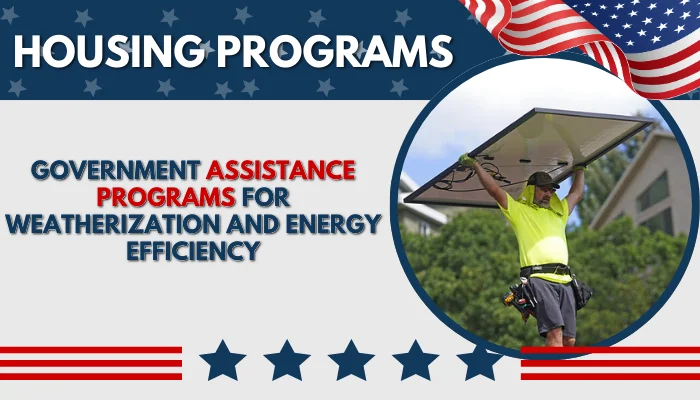
Government assistance programs for weatherization and energy efficiency in the United States are a series of initiatives aimed at improving the energy efficiency of homes and reducing energy consumption. These programs benefit not only the environment but also help households reduce their energy costs. They provide financial assistance and services to improve home climate control, especially for those in vulnerable situations. This article explores the key aspects of these programs, including what they consist of, who can apply, the requirements for beneficiaries, the registration process, the amount one could receive, as well as their benefits and disadvantages.
What Do Weatherization and Energy Efficiency Programs Consist Of?
Weatherization and energy efficiency programs are designed to help homeowners improve insulation, windows, heating, cooling, and other energy-related aspects of their homes. These programs are managed by federal, state, and local agencies, and are intended to reduce energy consumption and improve indoor air quality.
There are several types of programs, with some of the most well-known being:
- Weatherization Assistance Program (WAP): This is one of the most important programs, operated by the U.S. Department of Energy (DOE). The goal of this program is to provide assistance to low-income families to improve the energy efficiency of their homes. It includes improving insulation, sealing windows, repairing heating and cooling systems, and more.
- Low Income Energy Assistance Program (LIHEAP): This program provides financial assistance to cover energy costs during the winter and summer. LIHEAP is aimed at low-income families to help them maintain energy service, especially during periods of high heating or cooling demand.
- Energy Efficiency and Conservation Block Grant Program (EECBG): This program provides funds to state and local governments to support energy efficiency and conservation projects. These funds can be used to improve energy infrastructure in public buildings, promote renewable energy use, and improve energy efficiency in local communities.
- Clean Energy Incentive Program (CEIP): This program incentivizes states to promote clean energy and energy efficiency projects. Funds are allocated to states to provide grants to households and communities implementing energy efficiency-related projects.
Who Can Apply for These Programs?
Most of the programs are aimed at low-income families, but they can also benefit people with disabilities, seniors, and other vulnerable groups. Specifically:
- Weatherization Assistance Program (WAP): This program is intended for low-income households that meet the income eligibility requirements set by the federal government. Families with seniors or disabilities are given priority.
- Low Income Energy Assistance Program (LIHEAP): This program is also aimed at low-income households, but the income threshold varies by state and locality. Families with young children, seniors, or people with disabilities may receive priority.
- Energy Efficiency and Conservation Block Grant Program (EECBG): This program is primarily aimed at state and local governments, though these can allocate funds to individual and community projects.
Requirements for Beneficiaries
The requirements to be a beneficiary of these programs vary depending on the type of assistance requested. However, some common requirements include:
- Demonstrating financial need: The applicant must show that they meet the income eligibility requirements for low-income status. Generally, these programs require the household’s annual income to be below a certain threshold, which can vary depending on household size and the state.
- Residence in the program area: The household must be located in an area covered by the specific program. Some programs are managed at the state or local level, so residency requirements may differ.
- Being a homeowner or tenant: In some programs, homeowners may qualify for a higher amount of assistance, but tenants may also be eligible in certain cases.
How to Register?
The registration process for these programs generally involves several steps. Here’s how you can register for the most popular programs:
- Weatherization Assistance Program (WAP):
- Visit the U.S. Department of Energy website or your state’s website.
- Complete an online application or contact the local agency administering the program in your area.
- Provide documentation showing your income level and other requirements, such as proof of residence.
- Low Income Energy Assistance Program (LIHEAP):
- Each state has its own application process, so you need to look up the LIHEAP program in your state and follow the specific instructions.
- Generally, you can apply online or in person at a local social services agency.
- Energy Efficiency and Conservation Block Grant Program (EECBG):
- This program is not directly for individuals. Instead, state and local governments apply for funds and then allocate the funds to local projects. If you want to benefit from this program, it’s recommended to contact your local or state government.
Amount to Receive
The amount of assistance you can receive depends on the program and the financial and structural situation of your home. In general:
- WAP: There is no fixed amount for the benefits of this program, as it depends on the condition of the home and the necessary improvements. However, improvements can cover everything from insulation installation to repairing heating or cooling systems, with values that can exceed $10,000 in some cases.
- LIHEAP: The amount of assistance varies by state and the amount of energy a household consumes. Payments typically cover part of the energy bill but not the entire cost.
Benefits and Disadvantages
Benefits:
- Reduction in energy costs: Households may see a significant reduction in their energy bills due to improvements in energy efficiency and direct assistance with energy payments.
- Improvement in home comfort: Proper climate control and insulation can make your home more comfortable, especially in extreme hot or cold seasons.
- Positive environmental impact: These programs help reduce energy consumption, which has a positive impact on the environment by reducing greenhouse gas emissions.
Disadvantages:
- Limited access: The funds available for some programs, like WAP and LIHEAP, may be limited, which can mean not everyone who qualifies will receive assistance.
- Strict eligibility requirements: Eligibility requirements can be strict, and the application process can be lengthy and complicated for some people.
- Limited coverage in some states: Some states or areas have limited access to these programs or do not offer all the benefits available at the federal level.
Contact and Assistance
If you need more information or assistance with registering for these programs, you can contact the following organizations:
- U.S. Department of Energy (DOE): Visit their website for more details on federal programs.
- Your state’s Social Services Administration: Each state has its own agency that manages energy efficiency programs. Contact your state agency for personalized assistance.
- Local contact lines: Local weatherization and energy efficiency agencies often provide direct and personalized help.

If you want to know more detailed information, here we leave you the official site